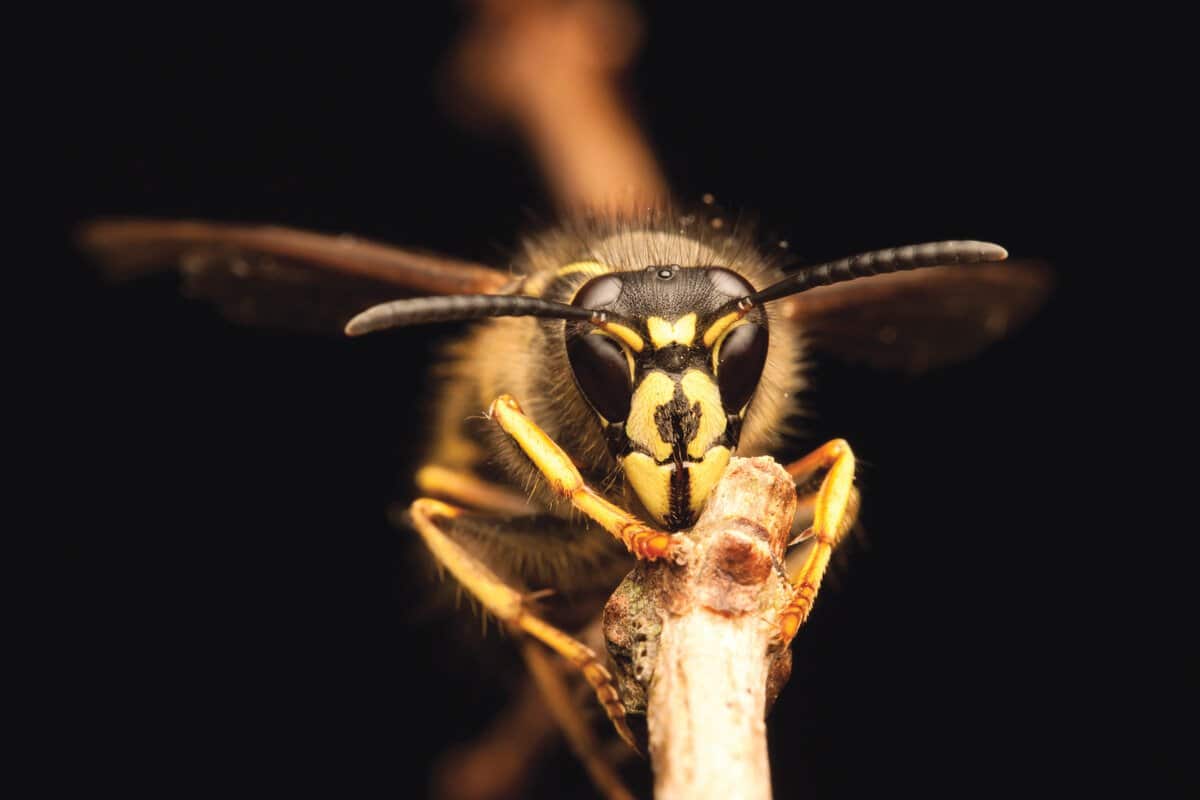
Step outside on an August evening in Greensboro or the Sandhills, and the air itself feels alive with all of the summer pests in North Carolina. Cicadas are screaming, something just landed on your arm, and there is a yellowjacket investigating your sweet tea with an intensity that suggests it has no intention of leaving. August is not just the hottest month in North Carolina. It is the peak of pest season, and it arrives carrying the accumulated pressure of everything that built up in the months before.
After a warm, wet spring that elevated termite, mosquito, and ant activity earlier than usual, summer compounds the problem. Heat accelerates life cycles while humidity sustains breeding populations. Tropical storm systems push additional standing water across the region, triggering mosquito surges that can transform a manageable yard situation into something significantly harder to ignore. By August, multiple pest species are simultaneously at or near their annual population peak, and homeowners across the Triad and Sandhills are feeling it.
Sound familiar? The best thing you can do is to learn which summer pests in North Carolina are most active right now, why August specifically drives their behavior, and what you can do, with and without professional help, to protect your home and family through the rest of the season.
August Is the Height of Pest Season in the Triad and Sandhills
North Carolina’s climate is one of the most pest-favorable in the eastern United States. Warm, humid summers with significant rainfall create ideal breeding and foraging conditions for a wide range of species, and the Piedmont Triad and Sandhills sit squarely in the zone where that pressure is consistently high.
What makes August different from June or July is accumulation. Pest populations that began building in spring have had months to establish, reproduce, and expand. Colonies that were small and relatively contained in May are at full strength by August. Species that tolerate heat and humidity, which describes most of the insects on this list, continue thriving right through the dog days of summer while other environmental stressors, including drought, competition for food, and colony overcrowding, push some species into more aggressive behavior.
For homeowners in the Triad, Sandhills, and surrounding communities, August rewards proactive pest management and punishes the wait-and-see approach.
Mosquitoes: August Surge and the Tropical Storm Factor
Mosquitoes are the single most obnoxious summer pests in North Carolina, and August is when their pressure is most sustained and hardest to escape without professional intervention.
Why Mosquito Populations Peak in August
Mosquitoes develop through four life stages: egg, larva, pupa, and adult, and in warm conditions, that cycle can complete in as little as seven to ten days. A population that began building in April has had upward of fifteen reproductive cycles by August, compounding with each generation. Warm temperatures keep adult mosquitoes active for longer periods each day, and the high ambient humidity of a Piedmont summer prevents the desiccation that limits mosquito survival in drier climates.
The result is a late summer mosquito population that is larger, more persistent, and more widely distributed across a property than what homeowners experienced earlier in the season.
Tropical Storms and Standing Water
August and September mark the peak of Atlantic hurricane season, and even tropical systems that never make direct landfall regularly push significant rainfall across central North Carolina. These storm events do not just bring rain. They create standing water across the region at a scale that dramatically amplifies mosquito breeding opportunities, often within 24 to 48 hours of a major rain event.
A single bottle cap of standing water is enough for mosquitoes to lay eggs. A tropical system can leave dozens of breeding sites across a single residential property, from clogged gutters and low lawn areas to plant saucers and tarps. Each one represents an independent population source, and collectively they can sustain a significant surge in adult mosquito populations for weeks after a storm passes.
Protecting Your Property
After any significant rain event, a property walk with standing water elimination as the explicit goal is one of the highest-impact actions a homeowner can take:
- Flush and clean gutters if they are holding water after a storm
- Empty and invert any containers, buckets, or unused outdoor equipment
- Refresh birdbath water every two to three days
- Fill or regrade low spots in the lawn that collect water after irrigation or rain
- Check plant saucers, trash can lids, and children’s outdoor toys
These steps reduce breeding infrastructure but do not address the adult mosquito population already present on the property. For that, professional treatment targeting the shaded vegetation and shrub areas where adult mosquitoes rest during the day is significantly more effective than any over-the-counter approach. PMi’s mosquito control services treat both adult resting sites and active breeding areas, with program options including monthly seasonal treatments from April through October.
Stinging Insects: Yellowjackets and Bald-Faced Hornets at Their Most Aggressive
If mosquitoes are the most persistent of summer pests in North Carolina, yellowjackets and bald-faced hornets are the most dangerous, and August is when both species are at their most volatile.
Why August Is the Most Dangerous Month for Stinging Insects
Stinging insect colonies spend the spring and early summer building population and expanding their nests. By August, yellowjacket and bald-faced hornet colonies have reached their annual peak, housing hundreds to thousands of workers in a single nest.
At the same time, the food dynamics that governed their early-season behavior begin to shift. As summer progresses, yellowjackets in particular transition from hunting protein sources to seeking out sugars, which is why outdoor cookouts, open beverages, and ripe fruit become so attractive to them in late summer.
That dietary shift, combined with a full colony of protective workers, produces the most aggressive yellowjacket behavior of the year.
Yellowjackets
Yellowjackets are the most frequently encountered and most aggressive stinging insect in the Triad and Sandhills during August. Their preference for nesting underground or inside wall voids means colonies are often completely invisible until an accidental disturbance of the nest entrance triggers a swarming response. Mowing over a ground nest, stepping near an entrance in the lawn, or working around a wall void where a colony has established itself can provoke dozens to hundreds of workers within seconds.
Late summer encounters escalate faster and produce more stings than spring encounters for a straightforward reason: the colony is simply larger and more defensive. A nest that might have housed a few dozen workers in May may contain several hundred by August.
Bald-Faced Hornets
Bald-faced hornets build the large, enclosed paper nests that homeowners sometimes discover attached to tree branches, rooflines, or exterior walls. By August, a mature bald-faced hornet nest can house several hundred workers, all of them prepared to defend the colony aggressively in response to any perceived threat.
Unlike some stinging insects that retreat after a warning, bald-faced hornets pursue and sting repeatedly, making a disturbed nest a genuinely dangerous situation for anyone in the immediate area.
Neither species should be approached or treated without professional equipment and experience. PMi’s stinging insect services handle both yellowjacket and bald-faced hornet removal safely, with the identification expertise to match the response to the specific species and nesting situation.
Ticks: Still Active and Still a Health Risk
Tick season does not end with the Fourth of July; unfortunately, ticks are still a very active summer pest in North Carolina in August. Several tick species most common to North Carolina remain fully active through August and into September, and outdoor activity that peaks in summer means human and pet exposure continues at a high rate through the end of the season.
August Tick Activity in NC
Three tick species account for the majority of late summer encounters in the Piedmont Triad and Sandhills:
The lone star tick is at peak activity from March through October and remains highly active throughout August, actively hunting hosts by sensing carbon dioxide and movement.
The blacklegged tick, the primary carrier of Lyme disease, is active any time temperatures remain above freezing and bites humans at all life stages.
The American dog tick, the principal carrier of Rocky Mountain spotted fever, is most active in spring and summer and is commonly introduced into homes via dogs that have been outdoors in grassy or wooded areas.
Where August Tick Encounters Happen
Late summer tick encounters are most common in the same microhabitats that support tick populations throughout the season, with the additional factor that vegetation has had months to grow dense and provide expanded harborage:
- The transition zone between mowed lawn and wooded or brushy borders
- Unmowed grass and dense ground cover along fence lines and property edges
- Leaf litter and organic debris that accumulates in shaded corners of the yard
- Along walking trails and at trail edges where vegetation contacts the path
Pets are a particularly significant vector in August. Dogs that spend time outdoors in any of these environments can carry multiple ticks into the home after a single outing, transferring them to furniture, bedding, or family members.
What Homeowners Should Be Doing Now
Personal protection and yard management remain the foundation of tick prevention through the end of the season:
- Perform a full-body tick check after any time outdoors, paying particular attention to the hairline, behind the ears, underarms, behind the knees, and the groin
- Apply an EPA-registered repellent with at least 20% DEET before outdoor activity
- Check pets thoroughly after every outdoor outing and consult your veterinarian about tick prevention products
- Keep grass mowed consistently short and clear leaf litter from shaded yard areas
- Maintain a mulch or gravel buffer between lawn and wooded borders
For yards with consistent tick pressure, particularly those bordered by woods or with high wildlife traffic, professional perimeter treatment from PMi significantly reduces the population on the property.
Flies, Cockroaches, and Termites: The Summer Pressure You Might Be Overlooking
Mosquitoes and stinging insects tend to dominate the conversation about summer pests in North Carolina, but three additional species of summer pests in North Carolina deserve homeowners’ attention in August.
Flies
House fly populations spike in August for straightforward reasons. Warm temperatures accelerate their reproductive cycle dramatically, with a single female capable of laying hundreds of eggs over her lifetime and those eggs developing into adults in as little as a week under peak summer conditions. Outdoor food sources, garbage, pet waste, and decaying organic matter are all amplified in summer heat, providing the breeding and feeding resources that sustain large fly populations around residential properties.
Fly pressure that seems primarily outdoor-based in early summer can shift indoors in August as flies follow food odors through open doors, torn screens, and gaps around windows. Keeping screens in good repair, managing outdoor waste consistently, and addressing any organic material that is accumulating near the home are all meaningful prevention steps. Persistent indoor fly activity that does not respond to standard management warrants a professional inspection to identify and address the source.
Cockroaches
Cockroach activity increases significantly in August as high outdoor temperatures push these heat-tolerant insects to seek out the cooler, more controlled environments inside homes.
German cockroaches, the species most commonly encountered in residential settings across the Piedmont, thrive in warm, humid environments and are particularly drawn to kitchens and bathrooms where moisture and food availability are consistent.
Signs of a cockroach population worth taking seriously include droppings that resemble small dark specks along baseboards and cabinet edges, egg cases in sheltered areas behind appliances or under sinks, and the musty odor that a significant cockroach population produces.
Early identification and treatment are considerably more effective than waiting until an infestation is fully established.
Termites
Termite swarm season in North Carolina peaks in spring, but the colonies that produced those swarmers continue feeding and expanding their galleries through August and beyond.
Subterranean termites remain active and damaging throughout the summer months, working silently inside wood framing, floor joists, and structural members with no visible exterior indication.
Homeowners who have not had a professional termite inspection in the past year should consider scheduling one before the season ends. Signs of active termite activity include mud tubes on foundation walls or piers, wood that sounds hollow when tapped, and small piles of what appears to be sawdust near wood surfaces.
August Is the Time to Act
The range of summer pests in North Carolina that converge in August represents a level of simultaneous pressure that is genuinely difficult to manage with DIY methods alone. Mosquitoes, stinging insects, ticks, flies, cockroaches, and termites are all operating at or near peak activity at the same time, and each one requires a different identification, treatment, and prevention approach.
PMi has protected homes from the various summer pests in North Carolina throughout Greensboro and the surrounding Triad and Sandhills communities for over 40 years. The depth of local knowledge that comes with that experience, combined with the range of services PMi provides across all the species covered in this blog, makes PMi the clear choice when August pest pressure reaches the point where professional help is the right call.
For more on the summer pests in North Carolina covered in this blog, PMi’s content library includes dedicated guides on mosquito control, stinging insect identification, and tick prevention, each built around the specific conditions and species of the NC Piedmont and Sandhills.
Ready to get ahead of the rest of the season? Contact PMi today at 336-272-4400 for the Triad or 910-215-9700 for the Sandhills for a free estimate, and let our field specialists build a plan around your property.